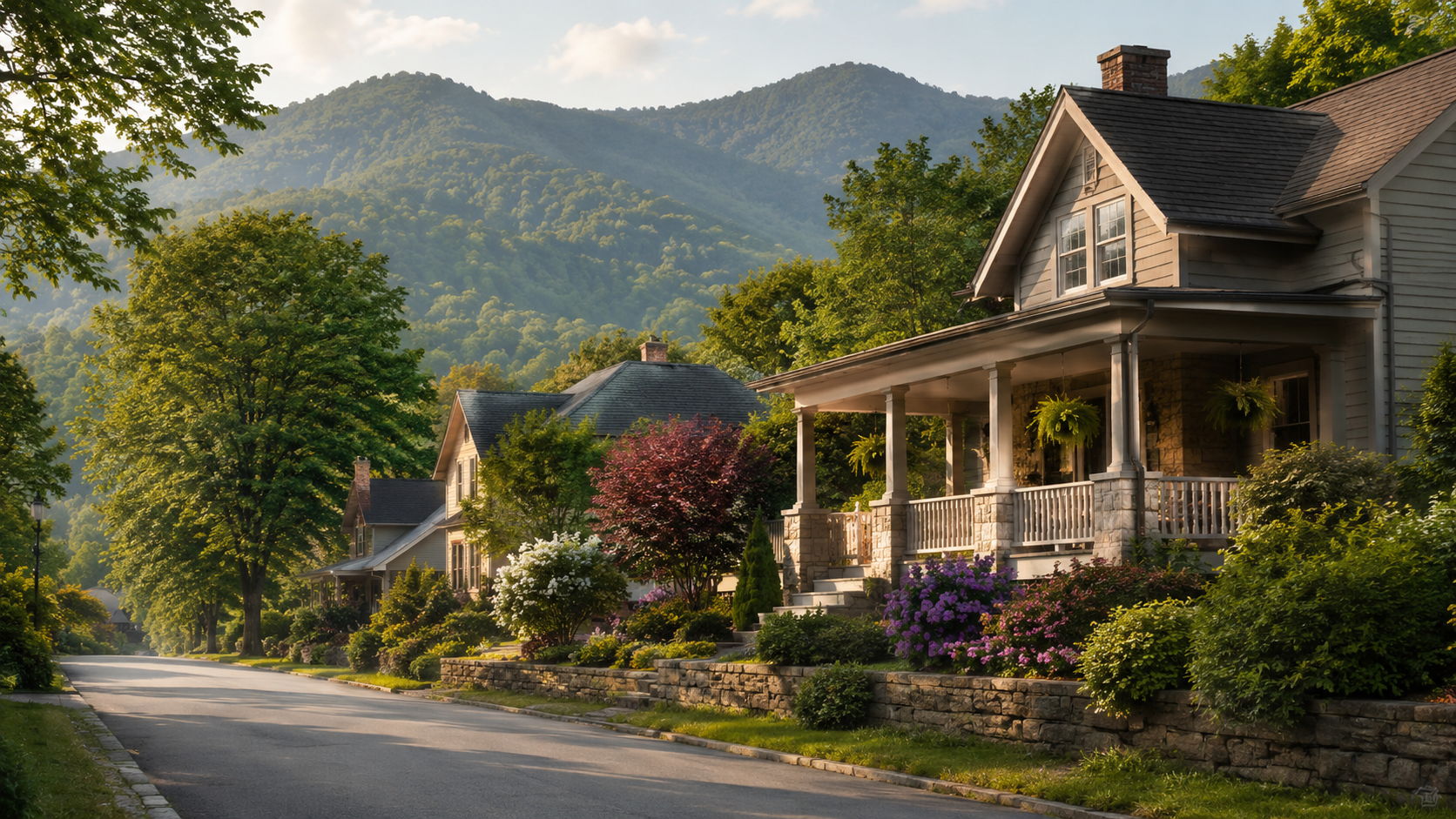
What Zillow Misses About Mountain Homes in Western North Carolina
Online home searches are a great place to start.
You can scroll through photos, save listings, compare prices, look at maps, and get a general feel for what is available. For many buyers, Zillow and other big real estate websites are the first step.
But when it comes to mountain homes in Western North Carolina, online listings do not always tell the whole story.
A home can look perfect online and still have details that matter a lot once you are standing in the driveway, checking the land, looking at the access, and thinking through daily life.
That does not mean online tools are bad. They are useful. But in mountain real estate, the listing is only the beginning.
Here are some of the big things Zillow and other online searches may miss when you are looking for a mountain home in Western North Carolina.
1. The driveway may matter more than the kitchen
A beautiful kitchen photographs well. A steep driveway does not always show up clearly online.
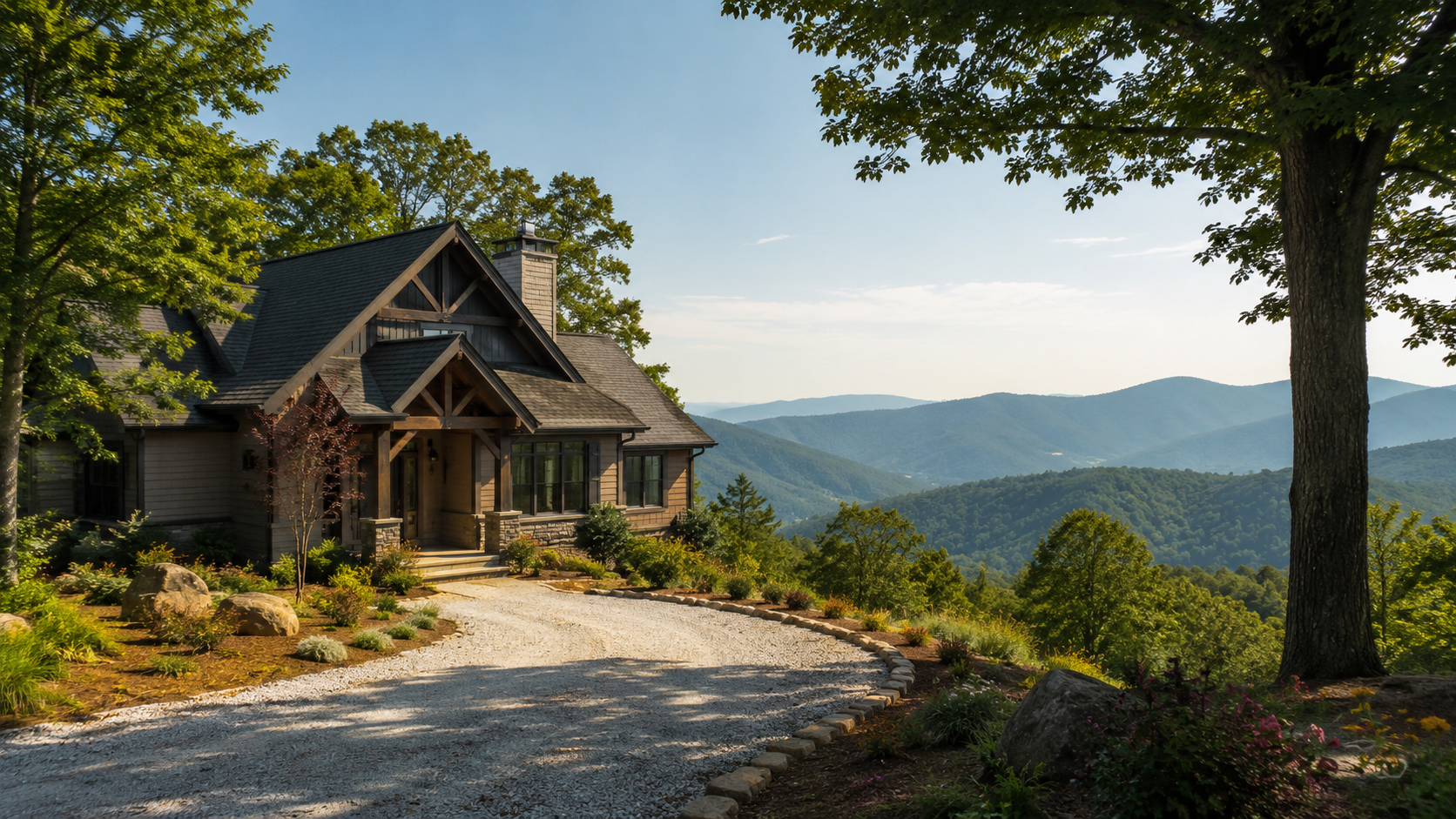
In Western North Carolina, driveway access can make a major difference in how a home lives day to day. Some driveways are paved and easy. Others are gravel, steep, narrow, shared, curved, or harder to manage in heavy rain or winter weather.
That does not automatically make a property bad. It just means buyers need to know what they are getting.
Before falling in love with the photos, it helps to ask:
Can most vehicles handle the driveway comfortably?
Is the driveway paved, gravel, or dirt?
Is there room to turn around?
Who maintains it?
Would delivery trucks, service providers, or guests have trouble accessing the home?
In the mountains, access is part of the property.
2. Mountain views are not all the same
A mountain view can be one of the biggest reasons buyers fall in love with a home.
But not all views are the same.
Some views are wide and open. Some are seasonal. Some depend on leaves being off the trees. Some may change over time depending on tree growth, neighboring land, or maintenance. Some homes have a great view from the porch but limited natural light inside.
Online photos can make a view look incredible, but buyers should still understand what the view looks like in person and how it fits the property.
A good mountain home search should look beyond the pretty photo and ask:
Is the view year-round or seasonal?
What direction does the home face?
How much tree maintenance might be needed?
Is the view from the main living areas or only from one spot outside?
Does the view come with a steeper road, driveway, or lot?
A great view is valuable, but it should fit your lifestyle too.
3. Land size does not always mean usable land
A listing may say a property has several acres, but that does not mean all of the land is flat, buildable, walkable, or easy to maintain.
In the mountains, acreage can be steep, wooded, rocky, restricted, or difficult to access. One property with two acres may feel spacious and usable. Another property with ten acres may have very little practical yard space.
For buyers moving from flatter areas, this can be a surprise.
When reviewing mountain homes with acreage, it helps to look at:
How much of the land is usable?
Is there room for a garden, pets, parking, storage, or future plans?
Is the land steep or walkable?
Are there restrictions, easements, or shared access issues?
Would maintaining the land be realistic for how you want to live?
The number of acres matters, but the shape and usability of the land may matter more.
4. Water and septic details are important
Many mountain properties in Western North Carolina may have private wells, septic systems, or other property-specific utility details.
Online listings may mention these items, but they do not always explain the full picture.
A buyer should understand what type of water and sewer system serves the home, whether inspections are needed, and whether the systems match the buyer’s plans for the property.
Questions worth asking include:
Is the home on public water, private well, shared well, or another source?
Is the home on public sewer or septic?
Where is the septic system located?
Does the septic permit match the home’s use?
Are there records available?
Could future additions, rentals, or land improvements be affected?
These details are not exciting, but they matter.
5. Internet and cell service should be checked
For relocation buyers and second-home buyers, internet access can be a deal-breaker.
Remote work, streaming, security systems, video calls, smart home tools, and everyday convenience all depend on connectivity. Some mountain homes have strong internet options. Others may have limited service.
Cell service can also vary from one road, ridge, or valley to another.
A listing may not fully explain what is available, so buyers should verify internet and cell service before making assumptions.
Before buying, ask:
What internet providers serve the address?
What speeds are available?
Does cell service work at the home?
Does service work inside the house or only outside?
Would the property support your work and communication needs?
This is especially important for buyers relocating from larger cities where strong internet is usually assumed.
6. Road maintenance can affect daily life
Some mountain homes are on state-maintained roads. Others are on private roads, gravel roads, shared roads, or roads maintained by a homeowners association or road agreement.
That can affect convenience, cost, access, and long-term ownership.
Buyers should understand:
Who maintains the road?
Is there a road maintenance agreement?
Are there annual fees?
How is snow, storm damage, grading, or gravel handled?
Is the road easy to navigate year-round?
A home may be peaceful and private, but buyers should know how that privacy is supported.
7. Online values may not understand local differences
Automated online values can be helpful as a rough starting point, but mountain real estate is hard to price with a simple formula.
Two homes may look similar online but be very different in real life because of:
Driveway access
Views
Road condition
Usable land
Water source
Septic setup
Internet access
Distance to town
Maintenance level
Renovation quality
Short-term rental restrictions
Long-term ownership costs
That is why local context matters.
A mountain home is not just square footage, bedrooms, baths, and a map pin. The property details can change the value, buyer demand, and ownership experience.
8. Lifestyle fit is just as important as the listing
A home can be beautiful and still not be the right fit.
Some buyers want privacy. Some want convenience. Some want to be close to downtown Brevard, Hendersonville, Asheville, Mills River, Arden, or nearby outdoor areas. Some want a second home they can enjoy without constant upkeep. Others want land, views, space, or a slower pace.
The right mountain home search should start with how you want to live.
Think through:
How far do you want to be from groceries, restaurants, medical care, or work?
Do you want neighbors close by or more privacy?
Do you want low maintenance or room to spread out?
Do you need strong internet?
Do you want land, views, water features, or easier access?
Will this be full-time, part-time, retirement, investment, or a future move?
When you answer those questions first, the home search gets much more focused.
The bottom line
Zillow and other online search tools are useful, but they do not replace local property knowledge.
In Western North Carolina, a mountain home is more than the photos and price. Driveway access, road maintenance, usable land, septic, well, internet, views, slope, and lifestyle fit can all affect whether a home is truly right for you.
If you are searching for a mountain home, second home, land, or relocation property in Western North Carolina, I would be glad to help you look beyond the listing and understand what matters before you make a move.
I am Chris Groves with GG Real Group and Fathom Realty. I help buyers and sellers across Western North Carolina and Upstate South Carolina, including Brevard, Hendersonville, Asheville, Arden, Mills River, Seneca, Travelers Rest, and Easley.
Start your search at ggrealgroup.com or reach out and tell me what kind of mountain property you are looking for.